
Pantry Sauce Building Blocks: Five Formulas That Rescue Leftovers
Master five pantry sauce formulas—vinaigrette, pan sauce, yogurt-tahini, chili-garlic oil, and brown-butter lemon—so component meal prep stays interesting all week. Ratios, swaps, storage, and what to pour them on.
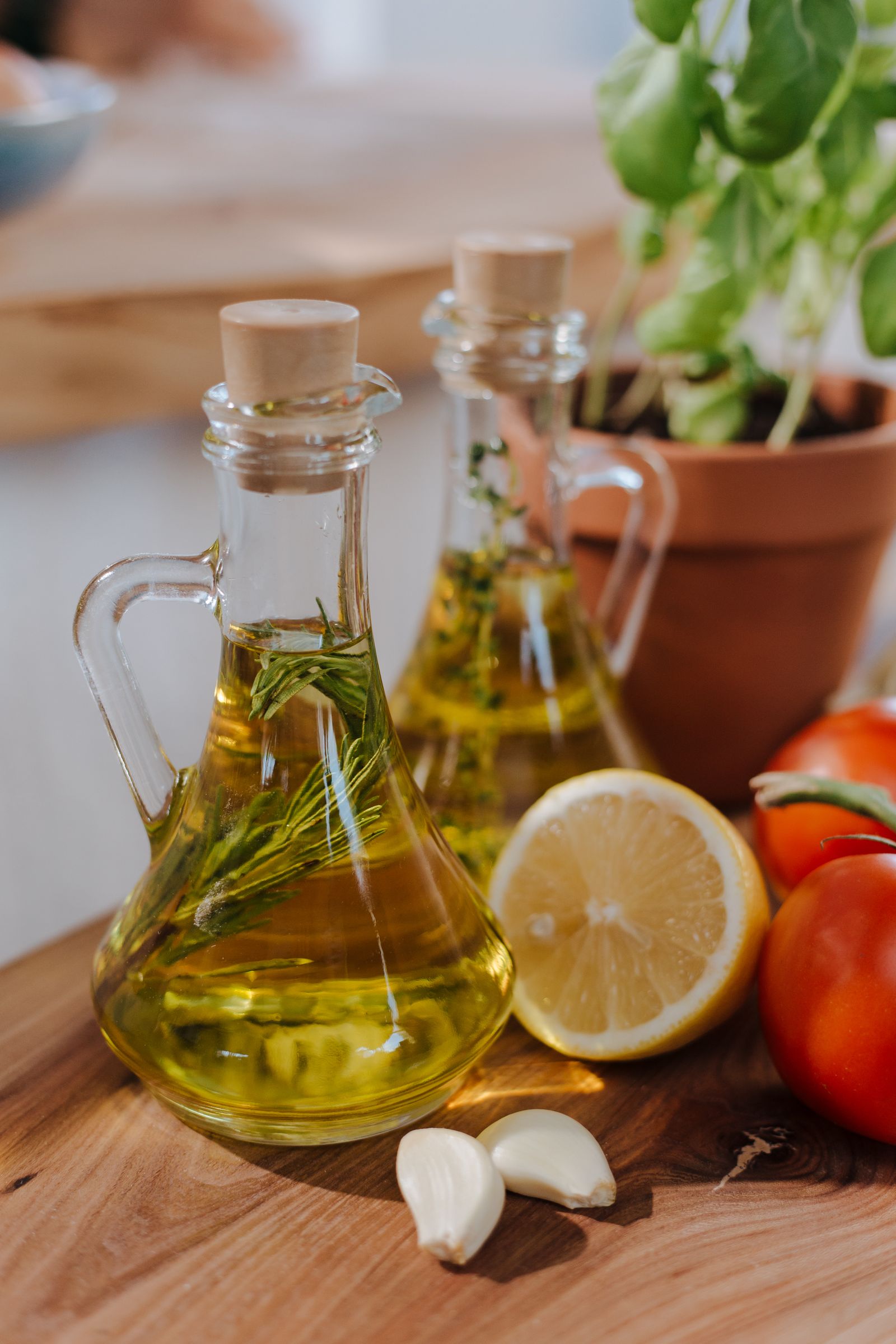
Component meal prep fails for one boring reason: every bowl tastes the same by Wednesday. You already cooked the chicken, grain, and vegetables. What you still need is a small set of pantry sauces—formulas you can shake, whisk, or swirl in minutes—so leftovers feel like different dinners instead of the same fridge contents on a new plate.
This guide gives you five sauce families with ratios, quick variations, storage notes, and a pairing matrix. Keep the ingredients on hand and you can rescue almost any grain bowl, roast vegetable tray, or leftover protein without starting a new recipe from scratch.
Taste in This Order
Before you memorize recipes, memorize a tasting sequence. Fix sauces in this order so you do not chase flavors in circles:
Tasting sequence
- Acid — lemon, vinegar, yogurt tang, wine
- Fat — olive oil, butter, tahini, cream
- Salt — kosher salt, soy, miso, cheese, anchovy
- Heat — chili flakes, fresh chile, black pepper, mustard
- Fresh — herbs, zest, raw garlic or ginger (last, so they stay bright)
If a sauce tastes flat, add acid first, then salt. If it tastes too sharp, add fat or a pinch of sweetness (honey, maple, a grated tomato). If it tastes muddy, it usually needs salt or a fresh finish, not more spice.
The 3:1 Rule (and When to Break It)
Classic vinaigrette starts at 3 parts oil to 1 part acid. That ratio is a starting point, not a law:
| Goal | Ratio | Notes |
|---|---|---|
| Soft salad dressing | 3 oil : 1 acid | Emulsify with mustard |
| Punchy bowl sauce | 2 oil : 1 acid | Better on grains and roasted veg |
| Bright finishing splash | 1 oil : 1 acid | Use sparingly on rich proteins |
| Creamy yogurt sauces | Skip oil-heavy ratios | Thin with water or lemon to pour |
Mustard, honey, miso, and egg yolk help oil and acid stay together. Shake in a jar; if it separates in the fridge, that is normal—shake again.
Formula 1: Classic Vinaigrette
Base ratio: 3 tablespoons oil + 1 tablespoon acid + ½ teaspoon Dijon + pinch of salt.
Whisk or shake until cloudy. Taste; add more salt or a drop of honey if the vinegar shouts.
Variations
- Lemon–herb: olive oil, lemon juice, Dijon, chopped parsley or dill
- Balsamic–garlic: olive oil, balsamic, minced garlic, black pepper
- Soy–sesame: neutral oil, rice vinegar, soy sauce, toasted sesame oil (use sesame as part of the fat, not the whole amount)
Pour on
Leafy salads, leftover roasted vegetables, cold grain salads, sliced cucumbers, and canned bean salads. Keep a jar next to your meal-prep containers so lunch assembly takes one shake.
Formula 2: Weeknight Pan Sauce
This is the sauce you make in the empty skillet after searing chicken, pork, tofu, or mushrooms. It takes about five minutes and uses fond—the browned bits stuck to the pan.
Base method:
- Pour off excess fat; leave about 1 tablespoon and the browned bits.
- Sauté a spoon of minced shallot or garlic for 30 seconds.
- Deglaze with ½ cup stock, wine, or water; scrape the pan.
- Reduce by about half.
- Off heat, swirl in 1 tablespoon cold butter (or a splash of cream).
- Season with salt, pepper, and a squeeze of lemon or splash of vinegar.
| Liquid | Best with | Watch for |
|---|---|---|
| Chicken or vegetable stock | Most proteins | Salt level of the stock |
| White wine + stock | Chicken, fish, mushrooms | Boil off alcohol smell before finishing |
| Water + soy + ginger | Stir-fry leftovers | Easy to oversalt—taste early |
| Canned tomato + water | Meatballs, sausage, beans | Balance acidity with butter or a pinch of sugar |
Pour on
Tonight’s seared protein, spooned over rice or mashed potatoes, or cooled and reheated as a gravy for Thursday leftovers. If your pan looks empty of flavor, start with a better sear next time—pan sauce cannot invent fond.
Formula 3: Yogurt–Tahini Cool Sauce
Thick, cold sauces wake up leftover roasted vegetables and grain bowls without turning on the stove.
Base ratio: ½ cup plain Greek yogurt + 2 tablespoons tahini + 1–2 tablespoons lemon juice + 1 small grated garlic clove + salt + water to thin.
Whisk until smooth. It should pour slowly, like heavy cream. Thin with cold water a teaspoon at a time.
Variations
- Yogurt–mustard: yogurt, Dijon, lemon, salt—excellent on potatoes and chicken
- Herbed yogurt: yogurt, lemon, cucumber, dill or mint—gyros energy for leftovers
- Dairy-free: swap yogurt for more tahini thinned with lemon and water, or use unsweetened coconut yogurt (check salt)
Need a dairy swap mid-recipe? See the substitution guide.
Pour on
Roasted carrots and cauliflower, falafel, grain bowls, grilled zucchini, leftover lamb or chicken, and hard-boiled eggs. Store separately from hot food so it stays cool and thick.
Formula 4: Chili-Garlic Oil
A spoon of flavored oil turns plain rice, noodles, and eggs into something you actually want. Make a small jar once; use it all week.
Base method:
- Warm ½ cup neutral oil with 4 smashed garlic cloves over low heat until fragrant—do not brown hard.
- Kill the heat; stir in 1–2 teaspoons chili flakes (or chili crisp), optional pinch of sugar, and salt.
- Cool completely; discard garlic if it softens too much, or leave it for stronger flavor.
Variations
- Crunchy chili oil: add toasted sesame seeds or crushed peanuts after cooling
- Smoky paprika oil: olive oil, smoked paprika, garlic—great on potatoes and eggs
- Herb oil: warm oil with rosemary or thyme stems, cool, strain—finish steaks and roasted mushrooms
Pour on
Instant ramen upgrades, fried eggs, leftover rice, roasted broccoli, dumplings, and bland soup that needs heat. For brothy leftovers, also skim the soup building blocks finishers (acid and umami) before reaching for more chili.
Formula 5: Brown-Butter Lemon (or Miso-Butter)
Warm butter sauces feel restaurant-level and still use pantry staples.
Brown-butter lemon:
- Melt 3 tablespoons butter in a light-colored pan over medium heat.
- Cook until the milk solids smell nutty and turn amber—watch closely.
- Kill the heat; add juice of ½ lemon and a pinch of salt.
- Optional: chopped parsley or capers.
Miso-butter shortcut: mash 1 tablespoon soft butter with 1 teaspoon white or yellow miso and a squeeze of lemon. Melt gently over vegetables or fish—do not boil hard or the miso can taste harsh.
Pour on
Fish, shrimp, roasted squash, pasta with garlic and greens, seared cabbage, and leftover rice with a fried egg. Brown butter is fragile; make it right before serving when you can.
Storage and Make-Ahead
| Sauce | Fridge | Freezer | Notes |
|---|---|---|---|
| Vinaigrette | 1 week | Not worth it | Separates; shake before use |
| Pan sauce | 3–4 days | Up to 1 month | Reheat gently; whisk if it breaks |
| Yogurt–tahini | 4–5 days | No | Garlic gets stronger overnight |
| Chili-garlic oil | 2 weeks | No | Keep clean, dry utensils in the jar |
| Brown-butter lemon | Same day best | No | Remake small batches |
| Miso-butter (compound) | 1 week | 1 month | Freeze in teaspoon blobs |
Use small jars (4–8 oz) so each sauce stays fresh and you can pack one with lunches. Label with the date. If garlic sits in oil at room temperature for days, that is a food-safety risk—refrigerate chili-garlic oil and use it cold or warmed briefly.
Pairing Matrix
| Leftover | First sauce to try | Second option |
|---|---|---|
| Plain chicken or tofu | Pan sauce or vinaigrette | Yogurt–tahini |
| Roasted vegetables | Yogurt–tahini | Chili-garlic oil |
| Cooked grains / rice | Chili-garlic oil | Vinaigrette |
| Leafy greens or salad | Vinaigrette | Yogurt–mustard |
| Fish or shrimp | Brown-butter lemon | Herb oil |
| Beans or lentils | Vinaigrette | Yogurt–tahini |
| Eggs | Chili-garlic oil | Smoky paprika oil |
| Soup that tastes flat | Acid + chili oil | Miso-butter swirl off heat |
Keep two sauces ready on Sunday: one creamy cold jar and one vinaigrette. Make pan sauce and brown butter on demand when you reheat protein.
Common Mistakes
- Boiling yogurt sauces — they split and taste chalky. Serve cold or warm gently.
- Salting a reduction too early — liquid concentrates; salt at the end of pan sauces.
- Only tasting for spice — heat does not fix flat food; acid and salt do.
- Dressing greens hours ahead — vinaigrette wilts lettuce; dress right before eating.
- Using bitter burnt butter — if brown butter smells acrid or looks black, start over.
- One giant jar for the week — smaller jars mean less contamination and fresher garlic.
Build a Tiny Sauce Pantry
You do not need a specialty aisle. Stock:
- Olive oil + one neutral oil
- Two acids (lemon or vinegar + rice vinegar or wine vinegar)
- Dijon mustard
- Greek yogurt and/or tahini
- Soy sauce or miso
- Chili flakes or chili crisp
- Butter
- Garlic, salt, black pepper, one fresh herb you actually use
With that list you can execute every formula above. When a recipe on Cookbook Hub calls for a sauce you do not have, adapt with the substitution guide instead of abandoning the dish.
Next Steps
- Pick two formulas for this week’s prep (usually vinaigrette + yogurt–tahini).
- Cook components as usual—protein, grain, vegetables.
- Change only the sauce and the format (bowl, wrap, salad) so leftovers stay interesting.
- Save the week’s recipes in a cookbook so next Sunday you edit a system, not a blank page.
Cook with the community: Browse dinner recipes · Vegetarian ideas · Meal prep guide · Soup building blocks
Want sauces that match real recipes you already like? Save a week of dinners to a cookbook, then build two jars that fit those proteins and vegetables.