
Herb and Spice Pairing Guide: What Goes With Chicken, Veg, and Grains
Pair herbs and spices by protein, vegetable, and cuisine—not by guessing from the jar label. Fresh-vs-dried rules, flavor families, starter kits, and four build-a-blend formulas for weeknight cooking.
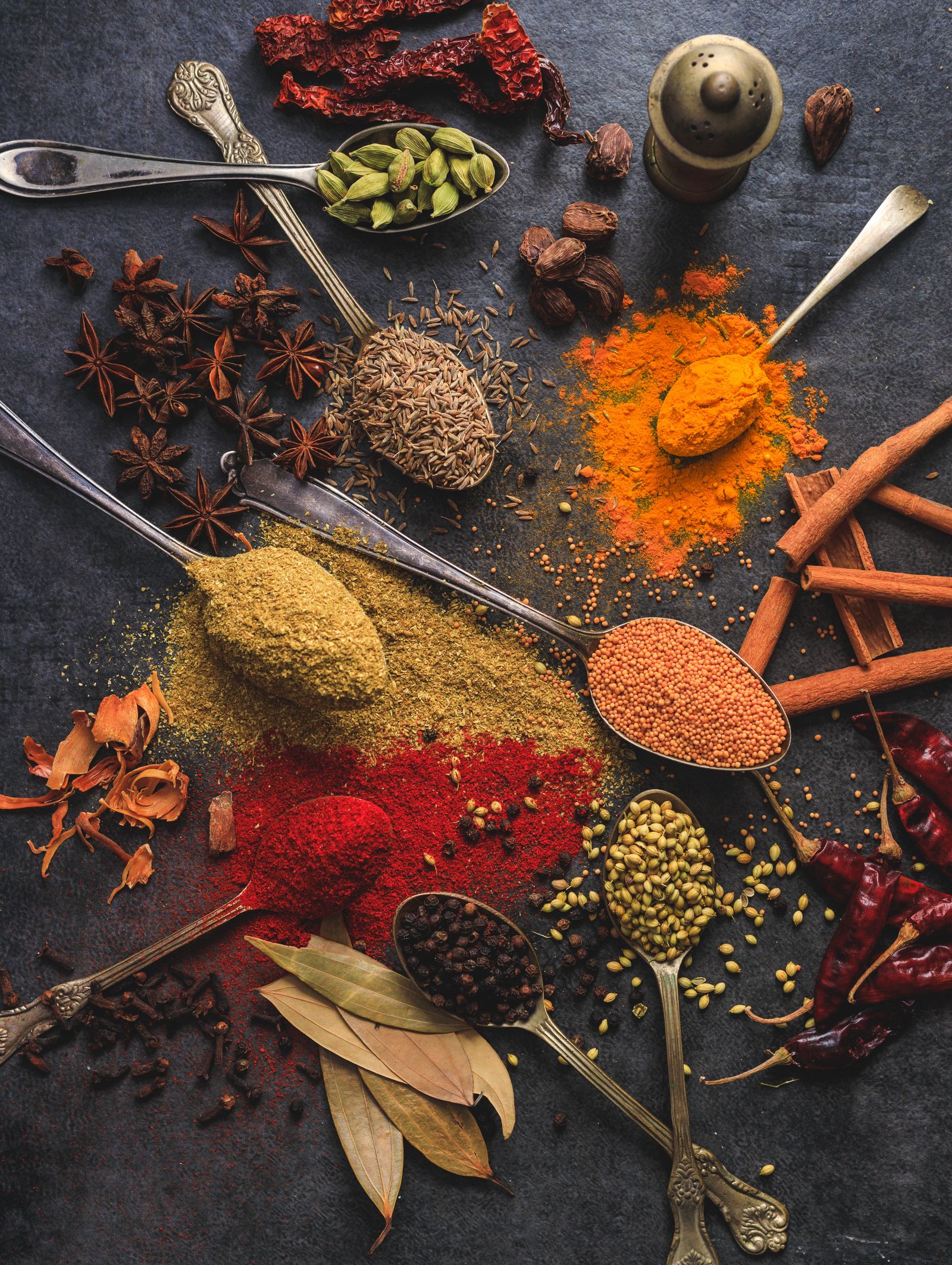
Most home cooks own more spices than they use. The jars sit pretty until a recipe names one, then the dish either tastes flat or like everything at once. You do not need a spice merchant’s inventory—you need a pairing map: which herbs and spices love chicken, which wake up roasted vegetables, and which small kits unlock whole cuisines when you meal prep or improvise.
This guide is a working reference. Use the tables when you open the fridge, bloom spices when you start a pan, and finish with fresh herbs the way you finish with acid in a pantry sauce. Missing a jar? Swap with the substitution guide instead of abandoning dinner.
Fresh vs Dried (and When to Add Them)
Rule of thumb: 1 tablespoon chopped fresh ≈ 1 teaspoon dried. Dried herbs are concentrated and can taste dusty if you dump in a fresh amount.
| Form | Best for | When to add |
|---|---|---|
| Fresh leafy herbs (parsley, cilantro, basil, dill, mint) | Finishers, salads, sauces | Off heat or in the last minute |
| Hardy fresh herbs (rosemary, thyme, sage, oregano) | Roasts, stews, breads | Early with fat or aromatics; remove woody stems |
| Ground spices | Rubs, sauces, quick sautés | Bloom 20–45 seconds in oil/butter before liquid |
| Whole spices (cumin seed, coriander, peppercorns, cloves) | Toasts, braises, rice | Toast dry until fragrant, then grind or simmer |
Salt is not a spice, but it unlocks spice. Season early for roasts and beans; finish with a pinch after tasting so dried herbs do not sit on top of under-salted food.
Core Flavor Families
Think in families, not single jars. Pick one family as the spine of a dish, then add a note from a second family if you want contrast.
| Family | Staples | Feels like |
|---|---|---|
| Lemony-herby | Lemon zest, parsley, dill, thyme, oregano, garlic | Bright weeknight chicken, fish, roasted veg |
| Warm baking | Cinnamon, nutmeg, clove, allspice, ginger | Squash, oats, braises, baking, chili balance |
| Smoky heat | Smoked paprika, chipotle, chili flakes, black pepper, cumin | Tacos, roasted potatoes, beans, eggs |
| Earthy deep | Cumin, coriander, turmeric, bay, sage, rosemary | Stews, lentils, mushrooms, lamb |
| Bright Asian pantry | Ginger, garlic, scallion, sesame, white pepper, five-spice (sparingly) | Stir-fries, noodles, tofu, quick soups |
If a dish tastes muddy, you mixed too many families. Strip back to one spine plus salt and acid. If it tastes one-note, add a finisher from a different family—lemon on cumin, parsley on paprika, chili on cinnamon-leaning chili.
Protein Pairing Matrix
Start here when the protein is fixed and the spice rack is the blank page.
| Protein | Reliable starters | Finishers that lift |
|---|---|---|
| Chicken | Thyme, oregano, paprika, garlic, lemon zest | Parsley, dill, chili flakes |
| Turkey / pork | Sage, rosemary, fennel seed, smoked paprika | Apple cider vinegar splash, parsley |
| Beef | Black pepper, rosemary, thyme, cumin, smoked paprika | Parsley, horseradish, chili oil |
| Lamb | Cumin, coriander, mint, oregano, cinnamon (pinch) | Fresh mint, lemon, parsley |
| Fish / shrimp | Dill, parsley, lemon zest, garlic, mild paprika | Capers, chives, chili flakes |
| Tofu / tempeh | Cumin, coriander, ginger, garlic, five-spice (pinch) | Scallion, cilantro, sesame |
| Beans / lentils | Cumin, bay, smoked paprika, oregano, turmeric | Cilantro, parsley, chili oil |
| Eggs | Smoked paprika, chili flakes, black pepper, dill | Chives, parsley, za’atar |
For a week of bowls, season the protein in one family and change only the sauce midweek—see the pantry sauce formulas—so leftovers do not taste identical.
Vegetable Pairing Matrix
Vegetables tell you what they want if you listen to sweetness, bitterness, and water content.
| Vegetable group | Complements | Easy move |
|---|---|---|
| Roots (carrot, beet, sweet potato) | Cumin, coriander, cinnamon, thyme, smoked paprika | Roast with oil + cumin + salt; finish lemon |
| Brassicas (broccoli, cabbage, Brussels) | Garlic, chili flakes, mustard seed, cumin, dill | High heat; finish vinegar + herbs |
| Tomatoes | Oregano, basil, thyme, smoked paprika, fennel | Bloom spices in oil before sauce |
| Mushrooms | Thyme, rosemary, sage, black pepper, paprika | Brown hard; herbs in the fat |
| Squash / pumpkin | Sage, cinnamon, nutmeg, cumin, chili | Sweet-spice + chili keeps it savory |
| Leafy greens | Garlic, chili flakes, nutmeg (pinch for creameds), lemon zest | Wilt; finish acid + fresh herb |
| Corn / peppers | Cumin, smoked paprika, oregano, chili powder | Char, then warm spices |
Grain and Starch Finishers
Grains and potatoes carry spice if you season the fat or the water—not only the topping.
| Base | Season in the pot / pan | Finish on the plate |
|---|---|---|
| Rice / quinoa | Bay, cumin seed, cardamom, turmeric | Cilantro, scallion, toasted sesame |
| Pasta | Garlic, chili flakes, oregano, black pepper | Basil, parsley, lemon zest |
| Potatoes | Rosemary, thyme, smoked paprika, garlic | Parsley, chives, chili oil |
| Couscous / bulgur | Cumin, coriander, cinnamon (pinch) | Mint, parsley, lemon |
| Flatbread / pita night | Za’atar, sesame, sumac, oregano | Olive oil + herb mix at the table |
| Oats / porridge | Cinnamon, ginger, nutmeg, cardamom | Toasted seeds, citrus zest |
For grain bowls after component prep, keep the grain lightly salted and push personality into the spice rub and the sauce.
Cuisine Starter Kits
Build five small kits instead of buying forty jars “someday.” Each kit is enough to improvise dinner when a community recipe names a flavor lane you do not cook weekly.
Italian-leaning
Oregano, basil (dried or fresh), thyme, garlic, chili flakes, fennel seed. Optional: rosemary. Pairs with tomato sauces, chicken, roasted vegetables, and Italian recipes on Cookbook Hub.
Mexican-leaning
Cumin, chili powder or ancho, smoked paprika, oregano, garlic, coriander. Optional: chipotle. Use for beans, eggs, sheet-pan chicken, and taco bowls; finish with cilantro and lime.
Indian-leaning
Cumin, coriander, turmeric, garam masala or curry powder, mustard seed, ginger, garlic. Bloom in oil; finish with cilantro and lemon. Excellent on lentils, cauliflower, and chickpeas.
East / Southeast Asian-leaning
Ginger, garlic, white or black pepper, sesame, chili flakes or chili crisp, five-spice (pinch only). Optional: star anise for broths. Keep blends light—soy and acid do heavy lifting in the sauce layer.
North African / Middle Eastern-leaning
Cumin, coriander, cinnamon, smoked paprika, sumac or lemon zest, mint or parsley. Optional: ras el hanout or za’atar as a shortcut blend. Brilliant on lamb, roasted carrots, yogurt sauces, and chickpeas.
Four Build-a-Blend Formulas
Mix the dry blends (formulas 1–3) once, store airtight, and use by volume. Scale those with a kitchen conversion chart if you batch for gifts or a full month of prep. Formula 4 is a fresh garlic oil—make small batches only; do not shelf-store it for the month.
1. Lemon-Herb Rub
Ratio (parts by volume): 2 garlic powder + 2 dried oregano or thyme + 1 lemon zest (dried or fresh zest used the day of) + 1 paprika + ½ black pepper + salt to taste.
Use on chicken, fish, potatoes, and zucchini. If using fresh zest, mix the dry spices ahead and add zest when you cook so oils stay bright.
2. Taco-Night Blend
Ratio: 2 cumin + 2 chili powder + 1 smoked paprika + 1 oregano + ½ garlic powder + ½ onion powder + pinch of cinnamon (optional) + salt.
Coat chicken, tofu, or black beans; bloom a spoon in oil before adding tomatoes for a quick skillet sauce.
3. Warm Roast Blend
Ratio: 2 smoked paprika + 1 cumin + 1 coriander + ½ cinnamon + ½ black pepper + ½ garlic powder + salt + chili flakes to heat.
Toss with carrots, squash, chickpeas, or cauliflower at 425°F / 220°C until edges brown. The cinnamon is a whisper—it should read warm, not dessert.
4. Chili-Garlic Finish (not a dry rub)
Ratio: 3 oil + 1 minced garlic + chili flakes to taste + pinch of salt. Optional: sesame oil for part of the fat, or a splash of soy.
Make chili-garlic oil safely
- Warm the oil gently—do not smoke it.
- Add garlic and chili; stir 30–60 seconds until fragrant and pale gold.
- Pull off heat before the garlic browns; burnt garlic ruins the jar.
- Cool and refrigerate. Use within 4 days, then throw away any remaining oil. Spoon over eggs, noodles, greens, and leftover grains.
Storage That Keeps Flavor Alive
- Keep spices away from the stove’s heat and light. A cool cupboard beats a pretty rack above the range.
- Prefer whole spices when you use them slowly (cumin seed, peppercorns); grind as needed.
- Label open dates. Ground spices fade; if they smell like cardboard, they will taste like cardboard.
- Fresh herbs: treat soft herbs like flowers (stems in water, bag loose) or wrap hardy herbs and refrigerate. Freeze chopped hardy herbs in oil for soup nights—brothy pots like the ones in winter soup building blocks forgive frozen rosemary and thyme.
Common Mistakes
- Adding every interesting jar — two families max; one spine is better.
- Skipping the bloom — raw ground spices taste chalky in a hurry sauce.
- Salting only at the end of a long roast — under-seasoned meat cannot be fixed with a parsley sprinkle.
- Using old chili powder as “heat” — faded chili is brown and dull; add fresh flakes or a finished chili oil.
- Treating fresh basil like rosemary — soft herbs die in a long simmer; add late.
- Ignoring acid — spices need lemon, vinegar, or yogurt to taste alive. Season, then taste for brightness.
Next Steps
- Audit the rack: keep what smells vivid; retire what smells like dust.
- Build two cuisine kits and one dry blend for this month’s dinners.
- Season protein and vegetables from the matrices; change only the sauce midweek.
- Save the week’s recipes in a cookbook so next Sunday you edit a flavor system, not a blank page.
Cook with the community: Browse dinner recipes · Vegetarian ideas · Italian favorites · Pantry sauces · Ingredient substitutions
Want seasoning that matches meals you already cook? Save a week of dinners to a cookbook, then mix one blend that fits those proteins and vegetables.